
Different Milkweed Varieties for Every Garden

Milkweed plants are a vital part of our ecosystems, especially for monarch butterflies. If you want to support these beautiful pollinators and add some charm to your garden, growing milkweed is a fantastic choice. But did you know there are many different milkweed varieties? Each has unique features, growing needs, and benefits. In this post, I’ll walk you through some popular types of milkweed that can thrive in various garden settings. Whether you have a small backyard or a large natural area, there’s a milkweed for you.
Exploring Different Milkweed Varieties for Your Garden
Milkweed comes in many shapes and sizes, from tall stalks to low-growing ground covers. Here are some of the most common and garden-friendly varieties:
Common Milkweed (Asclepias syriaca)
This is the classic milkweed most people recognize. It grows tall, often reaching 3 to 5 feet, with clusters of pinkish-purple flowers. It’s a hardy plant that spreads through underground roots, so it can fill in a larger area over time. Common milkweed is excellent for attracting monarch caterpillars and other pollinators.
Growing tips: Prefers full sun and well-drained soil.
Best for: Larger gardens or naturalized areas.
Flowering time: Mid to late summer.
Butterfly Milkweed (Asclepias tuberosa)
If you want bright orange flowers that stand out, butterfly milkweed is a great pick. It’s shorter than common milkweed, usually 1 to 2 feet tall, and has a bushy appearance. This variety is drought-tolerant and loves sunny spots.
Growing tips: Needs well-drained soil and full sun.
Best for: Smaller gardens, borders, or containers.
Flowering time: Early to mid-summer.
Swamp Milkweed (Asclepias incarnata)
Swamp milkweed thrives in moist or even wet soil, making it perfect for rain gardens or areas near ponds. It has clusters of pink to mauve flowers and grows about 3 to 5 feet tall. This variety attracts a wide range of pollinators, including bees and butterflies.
Growing tips: Prefers full sun to partial shade and moist soil.
Best for: Wet or damp garden spots.
Flowering time: Mid to late summer.
Showy Milkweed (Asclepias speciosa)
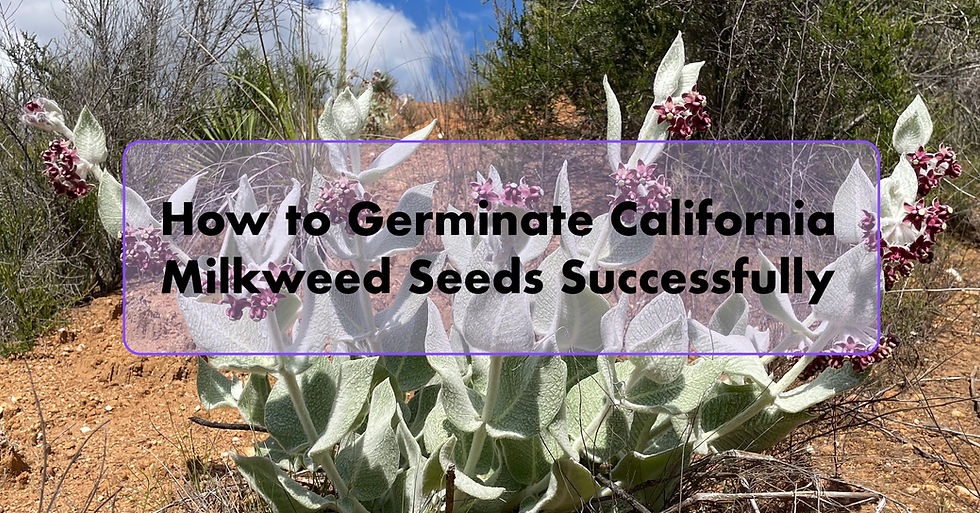
Showy milkweed is similar to common milkweed but has larger, more dramatic flowers that are pink to lavender. It grows 3 to 4 feet tall and has broad leaves. This variety is native to western North America and does well in dry, sandy soils.
Growing tips: Needs full sun and well-drained soil.
Best for: Dry gardens or naturalized areas.
Flowering time: Early to mid-summer.
Poke Milkweed (Asclepias exaltata)
Poke milkweed is a woodland species that prefers shady or partially shaded areas. It has greenish-white flowers and grows 3 to 5 feet tall. This variety is less common in gardens but is excellent for shaded spots where other milkweeds might struggle.
Growing tips: Prefers partial shade and moist, rich soil.
Best for: Woodland gardens or shaded areas.
Flowering time: Early summer.

How to Choose the Right Milkweed for Your Garden
Choosing the right milkweed depends on your garden’s conditions and your goals. Here’s a simple step-by-step guide to help you decide:
Assess your garden’s sunlight: Is it full sun, partial shade, or mostly shady?
Check your soil type: Is it dry, moist, sandy, or clay-heavy?
Consider space: Do you want a tall plant or something low-growing?
Think about water availability: Do you have a wet area or a dry spot?
Decide on flower color and appearance: Do you prefer orange, pink, or white flowers?
Once you know these factors, match them with the milkweed variety that fits best. For example, if you have a sunny, dry garden, butterfly milkweed or showy milkweed will thrive. For wetter areas, swamp milkweed is ideal.
Tips for Growing Milkweed Successfully
Growing milkweed is straightforward, but a few tips can help you get the best results:
Start with quality seeds or plants: Choose native species for your region.
Plant in spring or fall: This gives roots time to establish.
Water regularly at first: Once established, many milkweeds are drought-tolerant.
Avoid pesticides: They harm pollinators and caterpillars.
Cut back in late fall or early spring: This encourages healthy new growth.
Be patient: Milkweed can take a season or two to fully establish.
By following these steps, you’ll create a welcoming habitat for monarchs and other pollinators.
Supporting Monarchs and Local Ecosystems
Milkweed is more than just a pretty plant. It’s the only food source for monarch caterpillars and a critical part of their life cycle. By planting milkweed, you’re helping monarch populations survive and thrive. Plus, milkweed flowers provide nectar for many other pollinators like bees and hummingbirds.
Choosing the right milkweed for your garden means you can create a healthy, sustainable environment. It also connects you to nature in a meaningful way. Whether you’re restoring a natural area or simply adding color to your yard, milkweed is a powerful ally.
If you want to explore more about types of milkweed and find seeds suited for your area, there are great resources and suppliers online that specialize in native species. Growing native milkweed helps maintain local biodiversity and supports conservation efforts.
Bringing Milkweed into Your Garden Today
Now that you know about different milkweed varieties and how to grow them, it’s time to get started. Pick a spot, choose your favorite species, and plant some seeds or young plants. Watch as your garden becomes a haven for monarchs and other pollinators.
Remember, every milkweed plant you grow contributes to a larger effort to protect these amazing butterflies and the ecosystems they depend on. Happy gardening!

Comments